
Succulents belong to numerous species and their origins come from arid, semi-desert, or desert areas of all continents. These plants have the characteristic of storing large amounts of water inside them during particularly rainy periods, water that becomes useful as a reserve during long droughts.
The characteristic of these plants is to have an succulent tissue inside them, that is, a soft and spongy flesh saturated with water, a real reservoir capable of retaining or releasing liquid based on the plants’ needs.
To survive in harsh environments, succulents have undergone particular morphological modifications, turning their leaves into spines.
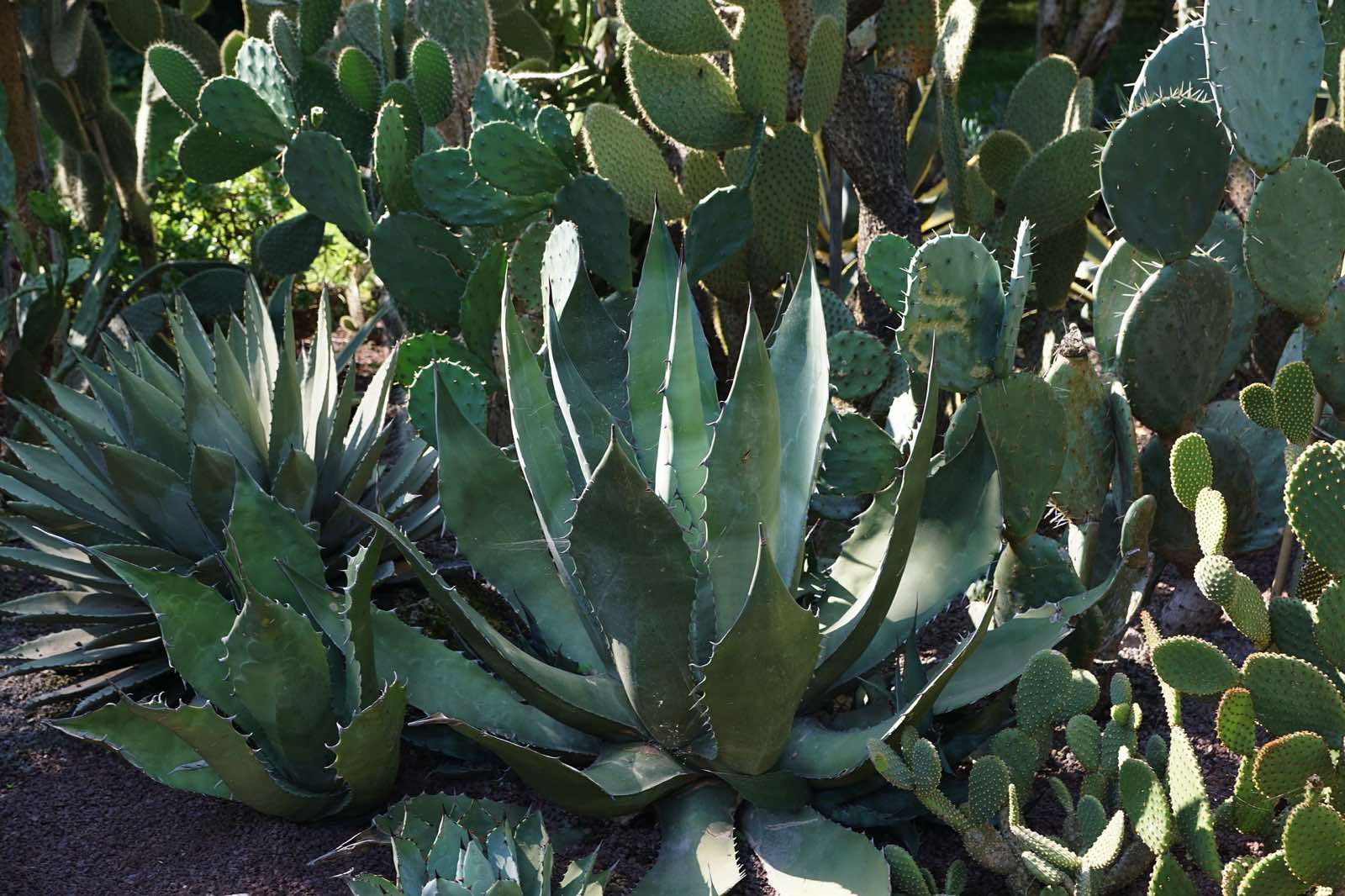
They cannot tolerate cold, and the minimum tolerated temperature is 7°C:
They are easy plants to grow but contrary to what you might think, succulents also need to be watered periodically.
Their flowers are short-lived and often bloom only at night, precisely to reduce water transpiration.
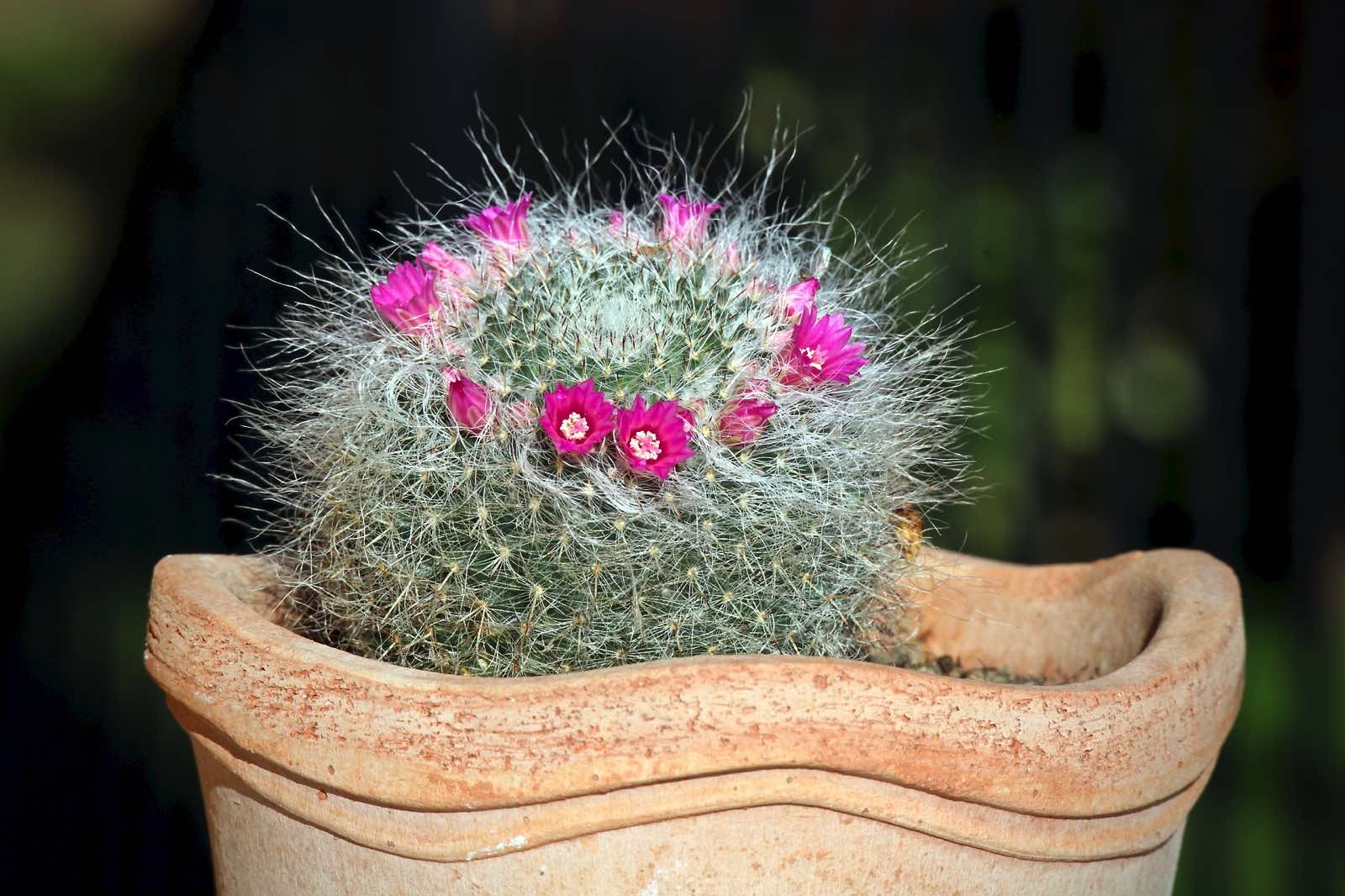
6 forms of succulents:
- majestic like trees
- tiny like stones
- flat
- wide and low
- narrow and tall like columns
- covered with large spines, downy, or completely smooth and velvety
Succulents represent a world apart: because of their characteristics, resistance, vegetative behavior, blooming, and many other peculiarities.


